




















Most people think they know what it means to be a nurse, but take a moment to really think… Do you? In general terms, a nurse is a licensed healthcare professional who is authorized to provide patient care. In reality, their presence is much greater than that. They save lives, prevent sickness, impact the families of their patients, and the list goes on. However, providing this much support does come with a cost, as every Registered Nurse (RN) is required to undergo intensive training over a 2 to 4 year period. 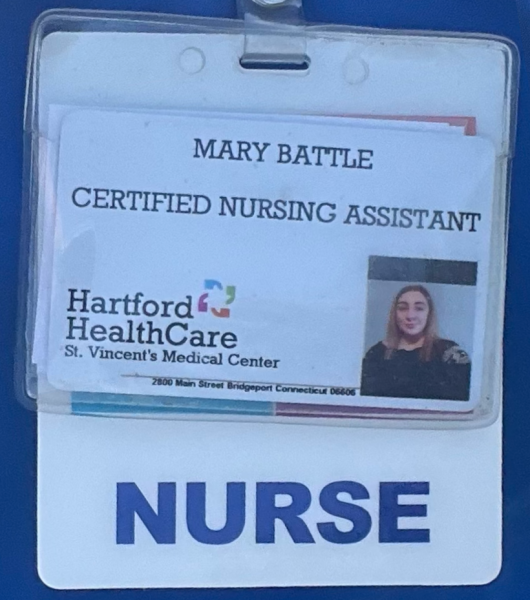
Mary Battle, a full time RN, went through the whole process, kicking off her medical journey through the EHHS CNA (Certified Nurse Assistant) program! If you’re an EHHS junior interested in this program, check out our previous article for more details. The article explains how to get into the program, how to prepare, what the workload looks like, what the requirements are, and more. Although taking the CNA program isn’t a requirement to become an RN, it’s important for aspiring nurses to take this program early on in order to get an idea of what they’re getting into with this profession. Mary Battle stated, “Being a CNA made me a better nurse because it exposed me to the healthcare field early on. It also allowed me to connect with my patients on a more personal level.” Even if you take the program and decide not to continue to nursing school, you will still have gained many skills, as well as a certificate that permits job opportunities. If you do continue your medical education journey afterwards, you will be prepared for the path ahead.
If you want to eventually transition to nursing school, filling out an application, submitting letters of recommendation from your professors, and taking the “TEAS” (Test of Essential Academic Skills) entrance exam is commonly required. Once accepted, official nursing students will be required and expected to complete heavy workloads. Frequent studying, writing papers, completing assignments, and taking many tests and quizzes will all be included and are necessary to pass. In order to effectively manage stress during this time, Mary Battle suggests, “Go to the gym, go on walks, talk to friends and family. You have to distract your mind whenever possible.” It’s important to maintain a well rounded mindset during your education in order to protect mental health and build academic flexibility.
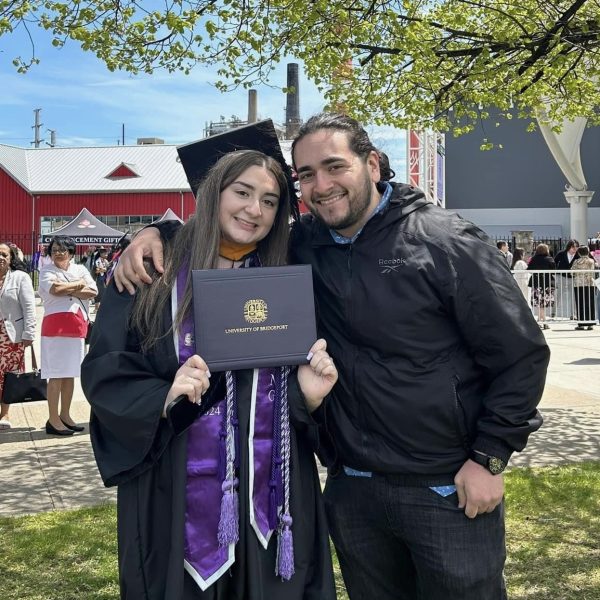
The pressure of nursing school and how much effort it requires is taxing and exhausting for some. Depending on your individual tolerance for academics and stress, you may find yourself fully composed or completely overwhelmed in this environment. Nothing is more important than keeping yourself motivated. Always having a goal in mind and thinking about the reward could potentially make completing work and staying on task much more manageable.
Graduating from nursing school doesn’t automatically make you an RN. In order to gain the title and state license, you must pass the “NCLEX-RN” as a final test. Only then will one be able to apply for jobs or even be offered job opportunities for RNs. When employed at a hospital, an outpatient client, or a home health care service, you will be responsible for direct patient care, giving medications, making care plans, providing support, and more. Everything learned in school will now be applied in real-life situations, demonstrating the dedication, knowledge, and commitment needed to be a successful nurse.
The journey to becoming a nurse is challenging, but in the end, it is well worth it. Not only do nurses gain valuable medical skills and career opportunities, but they also obtain the ability to empathize and connect with others. Having compassion allows nurses to provide emotional support and comfort while tending to their patients’ physical needs. Their presence in our healthcare system is essential and will forever be appreciated.

