














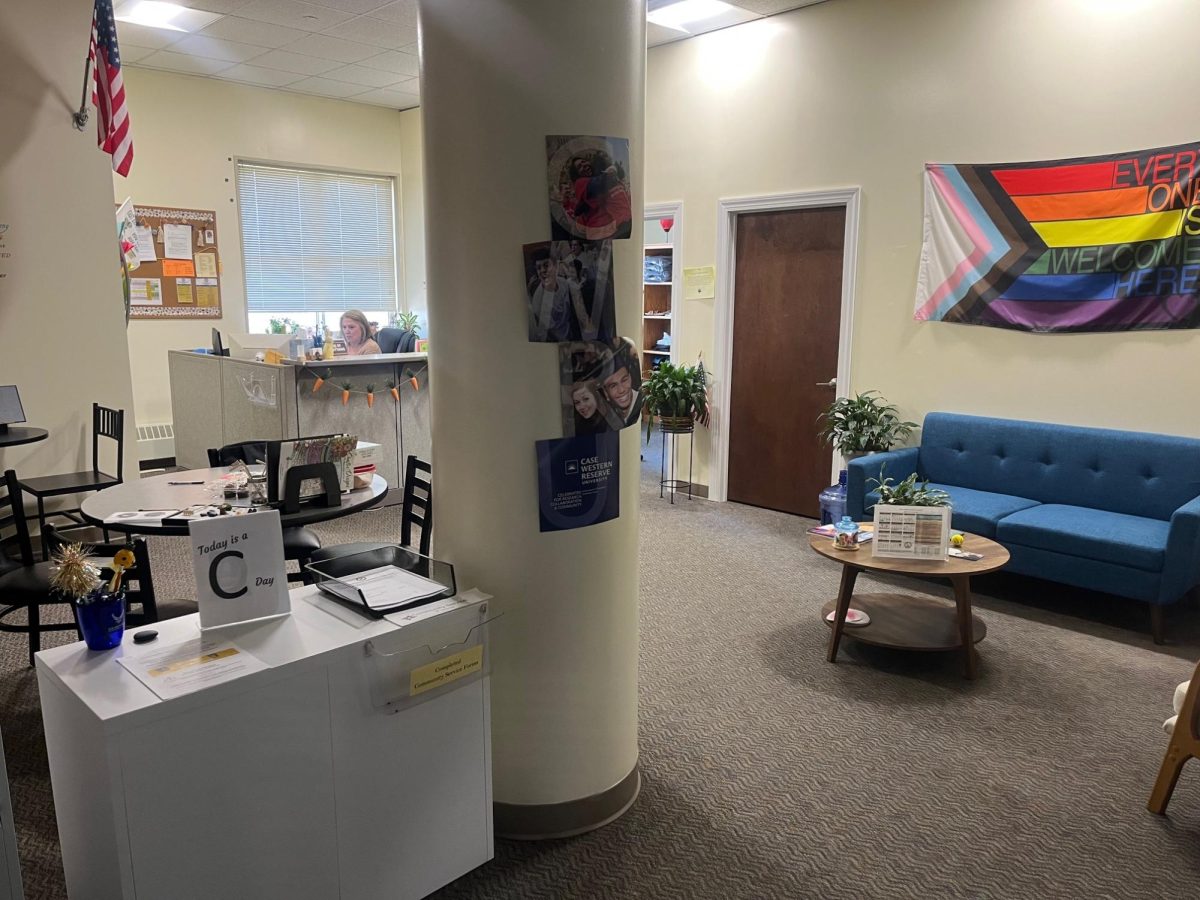
Guidance begins working with students long before senior year, helping them make decisions that will impact their future. Early in high school, they guide students in selecting classes that align with their interests and possible career paths. This early support builds a strong academic foundation and encourages students to start thinking about life after graduation.
EHHS Guidance Counselor Mrs. Vesneski explained, “We help students choose classes based on whether they think they might be interested in college,” showing how planning starts well before applications begin. By senior year, their role becomes more focused on the college application process, with structured support through meetings, workshops, and presentations.
One of the most important ways counselors support students is by helping them stay organized. The college process involves multiple applications, each with different deadlines and requirements, which can quickly become overwhelming. Counselors provide tools such as checklists and timelines, while also meeting with students individually to make sure they are keeping up. They emphasize that “starting early makes everything less stressful,” reinforcing how preparation and time management can reduce pressure. Students often find that this structure helps them avoid falling behind and keeps the process manageable.
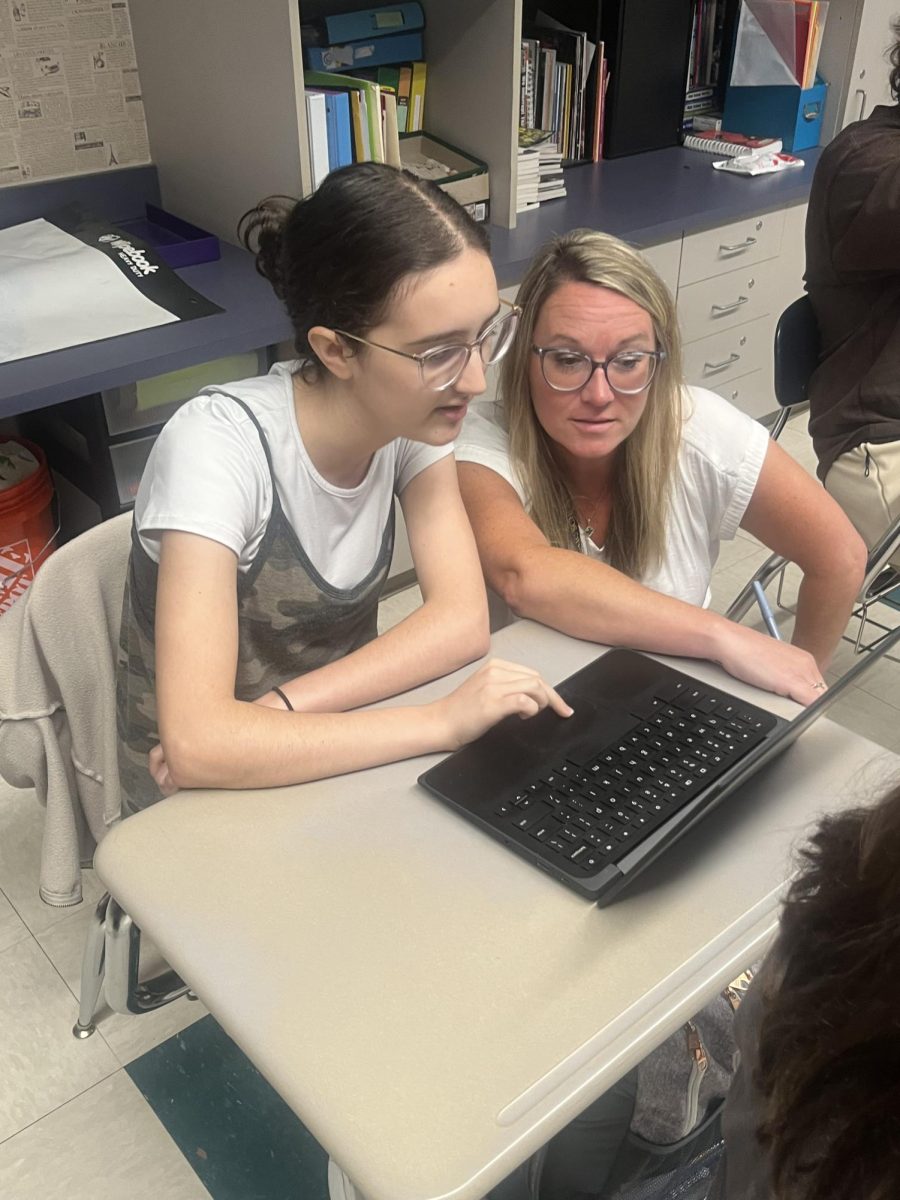
Counselors also work closely with students to improve the quality of their applications. They guide students through writing personal essays, completing forms correctly, and avoiding common mistakes like procrastination or submitting incomplete materials. Many schools offer time during the day for students to work on applications while counselors are available for support. This hands-on environment allows students to receive immediate feedback and stay on track, rather than rushing through important steps at the last minute.
In addition to helping with applications, counselors play an important role in expanding students’ understanding of their options after high school. While many students initially focus on attending a four-year college, counselors introduce alternative paths such as trade schools, technical programs, and career-based training. Senior Graciana Fleming reflected that counselors “opened my eyes to other career paths,” highlighting how this guidance can broaden perspectives and help students consider options they may not have thought about before.
For students who feel unsure about their future, counselors provide reassurance and perspective. They remind students that it is normal not to have everything figured out right away. In fact, many students apply to college without declaring a major, and counselors stress that this is part of the process. As explained by Mrs. Vesneski, “College is for exploring, not just picking a career immediately,” helping students feel more comfortable with uncertainty and encouraging them to discover their interests over time.
The college application process itself has changed in recent years. Platforms like the Common Application allow students to apply to multiple schools at once, and many colleges have adopted test-optional policies. While these changes have made applying more accessible, they have also increased competition, as students are now applying to more schools. Counselors help students navigate these changes and make thoughtful decisions about where to apply, rather than simply applying to as many schools as possible.
Overall, guidance counselors play a critical role in helping students manage the college process. Through organization, guidance, and consistent support, they make what can feel like an overwhelming experience much more manageable. Graciana Fleming advised, “See them as much as you can,” emphasizing that students who take advantage of these resources are often more prepared and confident as they plan for life after high school.