



















As Socrates said, “Man must rise above the earth- for only thus he will fully understand the world in which he lives in.” When The New York Times headlined, “Man Won’t Fly for Another Million Years,” the Wright brothers didn’t give up. When people around the world kept failing, they didn’t give up. But why?? The answer to that question is a bit more complicated than you may think. It is a story filled with action, love, and drama—and a good one at that.
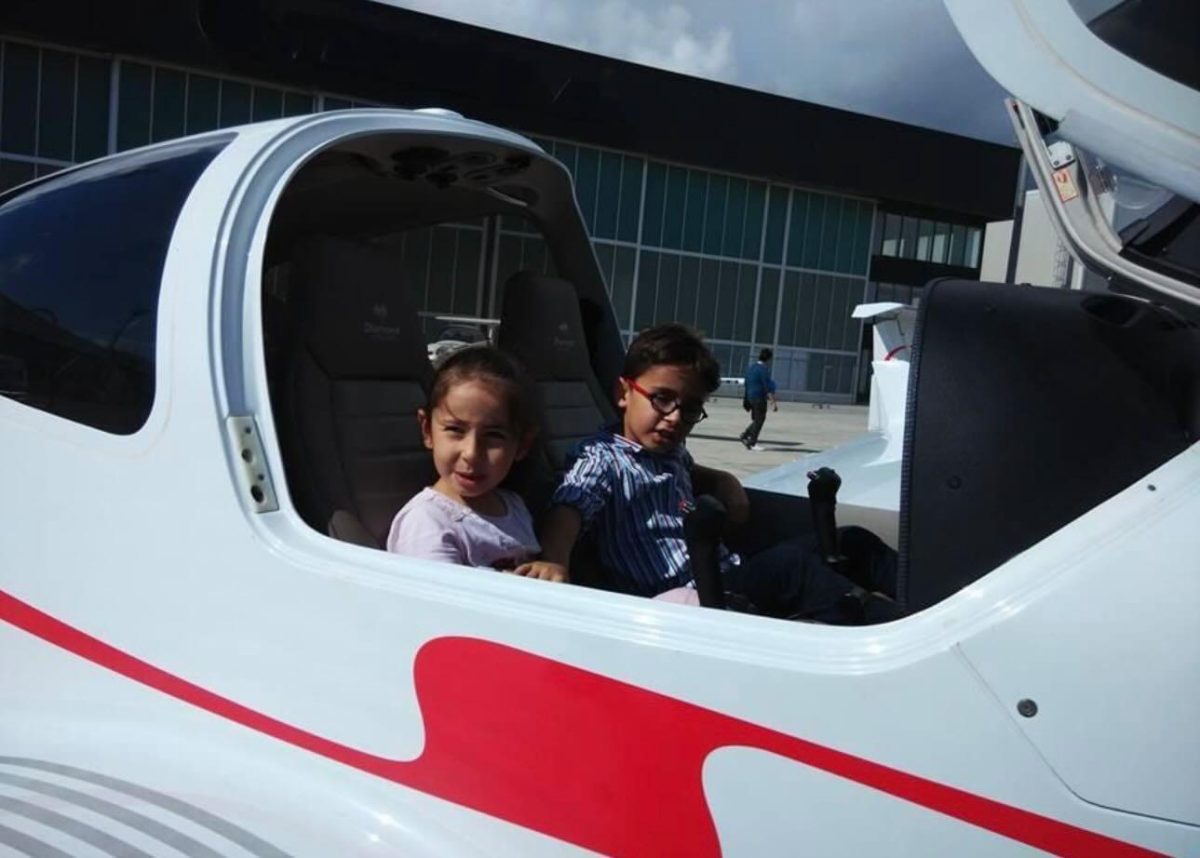
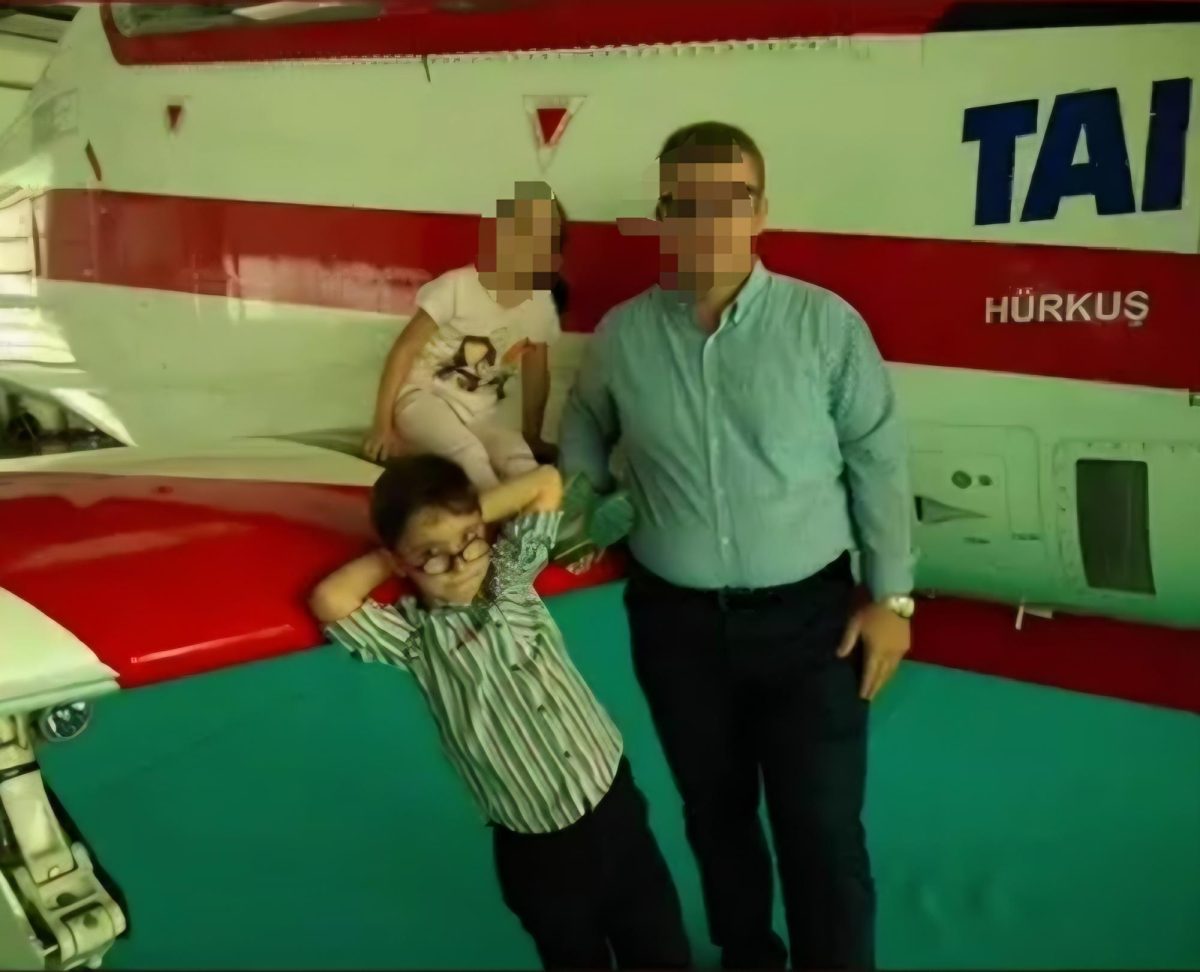
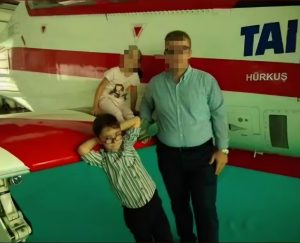
My story with planes and aviation started in late 2014 when my uncle was studying Aerospace Engineering at METU (Middle Eastern Technical University) in Ankara, and got 4 tickets to the Istanbul Air Show, an exhibition with aircraft manufacturers, airlines, and industry leading companies that featured more than 40 aircraft. That was my first time seeing airplanes, an airport, and pilots, and experiencing the feeling of standing and walking on the apron (the area where aircrafts are parked, loaded, and refueled). After the show, 6-year-old me got so invested and interested in aviation that instead of going on to play with friends outside I started watching videos, documentaries and movies on aviation, and it went on like that for a few years until I was in middle school when I finally decided that it was what I wanted to do with my life: experience that feeling of standing, walking on that apron everyday for the rest of my life.
Yasin Coskunsoy, my uncle, who works in the Turkish Airlines Technic department as a Team Coordinator and has much to say about his life as an aerospace engineer. He shared: “Working for Turkish Airlines is a dream, something to be proud of and [take] pride in yourself for, being around aircraft, going to work to an airport is a dream come true for an aerospace engineer like me and the perks that come with it are really nice too. It is not an easy journey studying Aerospace Engineering in the most competitive school in Turkey was very painful, at times depressing and very mentally hard but at the end it all pays off.”
Currently, my FAA Medical Class 1 examination is in 2 days. This is the medical examination to determine whether I am medically able to fly, so my excitement and paranoia are at their peak. Some people may not be able to pass the examination because of health reasons and that may seem like the end of it all, but remember aviation is not just being a pilot, there are tons of other things you can do related to aviation just like my uncle.
You can do jobs related to aircraft crashes and investigation, airport management or ground services, office jobs for airlines, become an air traffic controller or even if you can’t fly a real aircraft you can become a simulator instructor so you can teach people how to fly.
Aviation is a collection of many different fields brought together under one industry and to get that feeling of standing on the apron you don’t need to be a pilot.
If you choose to become a pilot, it will take at least three years to become an airline pilot. It is a lengthy process, one that requires resilience, a strong mentality and a lot of hard work especially in the form of studying.
The program I am planning on attending is a packed and fast program that is designed to help you earn your CFI, CFII, and MEI licenses in order for you to become an instructor. That 12 months is basically a very high tempo high school year with exams, studying, check flights and tons of material you need to learn every bit of. After you get through those painful 12 months you will need to find a job as an instructor.
Getting an instructor position with fewer than 600–700 flight hours can be very competitive but there are tons of people that did it, are doing it and are planning on doing it and it is still the smartest way to become an airline pilot fast. After you become a CFI (Certified Flight Instructor). That allows you to meet the 1,500-hour flight-time requirement to get your ATPL (Airline Transport Pilot License).
After earning your ATPL, you can apply for airline positions and hope to be hired. Although aviation currently offers many opportunities, it remains a highly competitive field simply because of its competitive pay, and the sheer number of people wanting to become pilots. So goodluck with the journey pilot!