















At EHHS, there are many opportunities for students. One of these opportunities being our CNA (Certified Nurse Aid) program! Any upcoming senior interested should know that the “Nurse Assistant” class runs annually, with a maximum of 16 students, and requires no prerequisites. Taking this class also fulfills your capstone requirement and after completing the exam, you become a certified CNA.
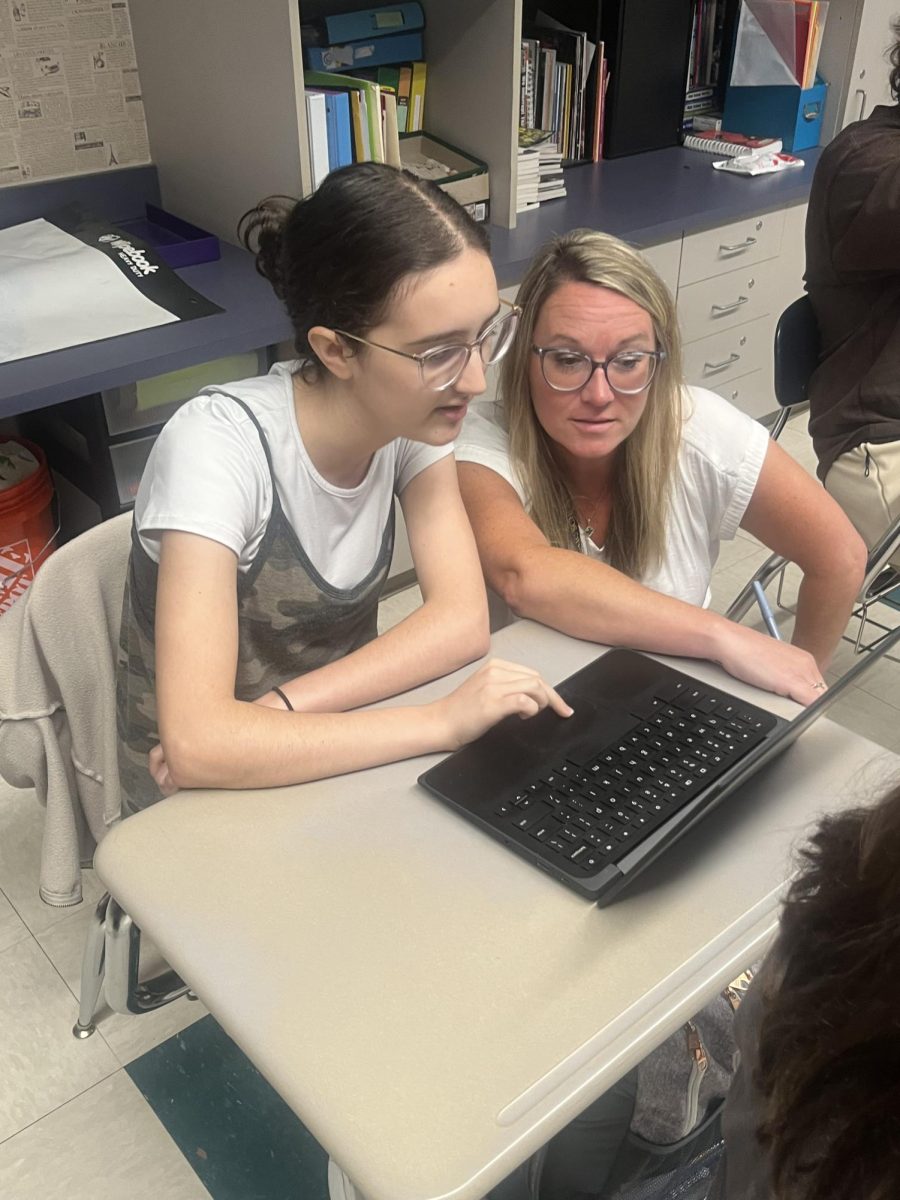
Any junior is allowed to apply for an interview with Ms. Martin, the teacher of the CNA program, where she evaluates your eligibility by your grades, attendance, and behavioral status. Individuals who are able to handle an intense and professional environment are preferred for this class. If you are picked, you will then be enrolled into the class for senior year. This class is a full year course where you will have to complete a lot of book work, notes, watch many videos, as well as take two quizzes each week. Ms. Martin shared her opinion of how demanding the program is, stating, “It requires a lot of sacrifice and determination, because you have to be able to do a lot of work in a short amount of time.”
One of the current CNA students, Abriana Duffy, mentioned how being organized can ease the class’s work load. “It’s a matter of knowing how to handle yourself and how to handle work, and creating an organization system for yourself. If you don’t, you’re going to be going into the class not knowing what to do, and you’re going to stress yourself out, which is the last thing you want to do because you’re going to be working with other people.” She said, you should also be considering other classes, extracurriculars, or any other activities you participate in when developing your system. Maintaining an efficient, balanced, and scheduled day to day environment that works for you is essential when participating in the CNA program.
After a full semester of learning all the skills, clinicals start. Clinicals are when the CNA students go to a nursing home and partake in the tasks of an official CNA, from 6:45AM to 1:50PM during the school week. Each student is required to do 10 days of clinicals before the exam in order to fulfill a part of the program’s requirements. Clinicals should not be taken lightly, as students will be taking care of the residents, some of whom are struggling with dementia, aphasia, and other disabilities. In these cases, students work together to review communication techniques as well as defense mechanisms in order to prevent the resident from hurting the student or themselves. After the clinical weeks are over, the class goes over medical terminology, chapters, and all the information that will refresh their memory and prepare them for the exam.
It is important to note that this opportunity does come with a cost. The exam itself costs $138 in order to take, and on top of that, you have to buy a pair of scrubs. Ms. Martin is actively looking for ways to get these expenses taken care of for students, but until then, students are responsible for this fee.
It is evident that with taking this program you earn your CNA certification, preparing you to pursue nursing in college. Ms. Martin also wants students to be aware of the job opportunities if you’re not going to college, she said, “It gives you a certification that you can get a job before you even graduate. My students get job offers constantly. In fact, the other day, the nurse manager came into the room and said, “If any of you apply here, you will get a job.” This is perfect for individuals who are passionate about health care but aren’t interested in the stressors or debt that comes along with nursing degrees. Ms. Martin also offers PCT (Patient Care Technician) training at the end of the year, which is a step up from CNA. You learn extra skills like EKG, phlebotomy, and blood sugar checks. Taking the optional $160 test that goes along with this training increases your chances when applying to a hospital, so it is definitely worth considering!
For students who are interested in attending college specifically for nursing, you should know that a lot of nursing programs are now requiring individuals to get their CNA certification before sophomore year. That being said, taking the program in high school gives you a leg up with your college experience. Also, for students who are looking to attend PA (physician’s assistant) school, they require at least 2000 hours of health care work experience, and the most common ways people meet those expectations is through EMT or CNA. All in all, the CNA program prepares you for any health care field. If you aren’t looking for a career in health care, the program still benefits you as a person, teaching you how to care for another person, how to empathize, and possibly discover something new about yourself.
To say that the CNA program is just a class is an understatement. The program is an experience, life changing for some, and manages to impact each student who decides to take the course. If you are still unsure about some things, I’d recommend speaking with Ms. Martin yourself to get clarity. Ultimately, choosing to take this program is completely up to you! After considering your options and ensuring that this is what you want, apply for that interview with Ms. Martin! I’m sure you will not regret it.
