






With the arrival of Quarter 3, course selection becomes a relevant topic among freshman, sophomores, and juniors as they make their schedules for the next year. The Program of Studies is the document that hosts the collection of classes and Capstone pathways, explains credit requirements, and overviews school policies. Mr. Russell introduced the new 2026-2027 Program of Studies for this year’s course selection, but how has the new program differed from last year’s program?
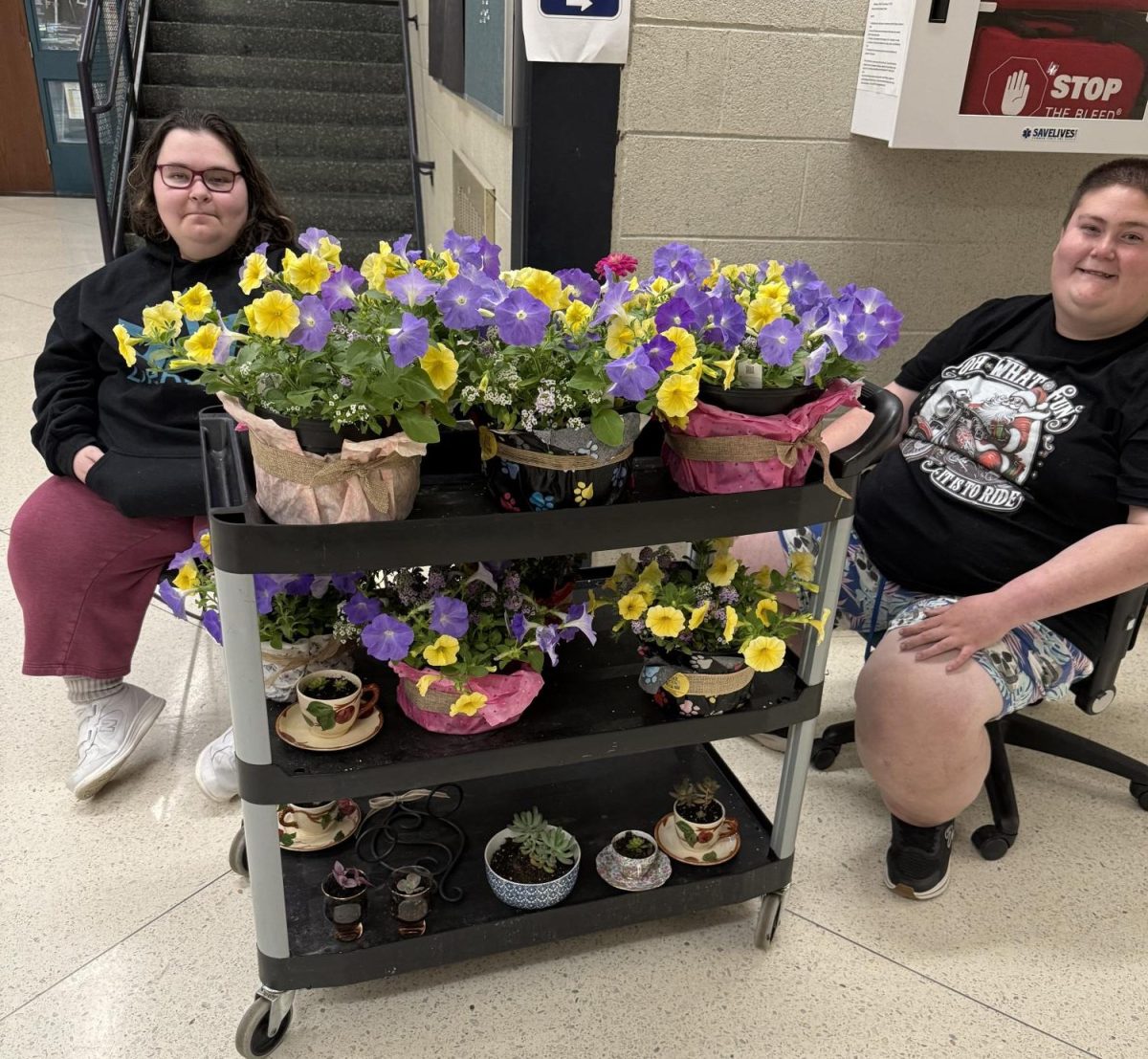
New classes have been introduced, such as: Artisan Crafts, Animation, Foundations of Math, CTE Math, Elementary and Intermediate Algebra, and Green Thumb Science. Meanwhile, Sheltered Civics and Sheltered Integrated Science, Advanced Algebra, and fall semester Writing for College were all removed. Then, English classes like Advanced Creative Writing: reCreated Stories, Media & You, From Netflix to Instagram Honors, Born or Created?: The Strange and the Psychotic in Literature Honors (ECE-Spring Semester), and Diverse Voices in Literature & Media are now scheduled to run on a rotating basis (every other year). In terms of what students must first take to apply for and take a course, some prerequisites have become more strict and more relaxed; it depends on grades and whether the teachers who are in charge of the class feel that students need prior instruction to be successful.
Certain sheltered classes, or classes for students whose first language isn’t English, were removed because administration found that a better way to challenge students was to involve them with English speaking students. New Algebra courses were created by Ms. Bauer, the head of the Math Department, to bridge the gap between those entering EHHS from JMMS or the Academy. Meanwhile, new courses such as Artisan Crafts and Animation were created to give students more art courses that may lead to a field of work someday, as animation has become a profitable industry with technology nowadays. Green Thumb Science, a plant-focused class, was introduced because of teachers’ desire to teach it. English electives are now rotated because those classes typically don’t have very many applicants; other factors include allowing teachers to teach other classes of their interest and staffing availability. This also gives English teachers room to teach the required English courses for freshman, sophomores, and juniors, as larger classes of students would require more of those essential courses to run.
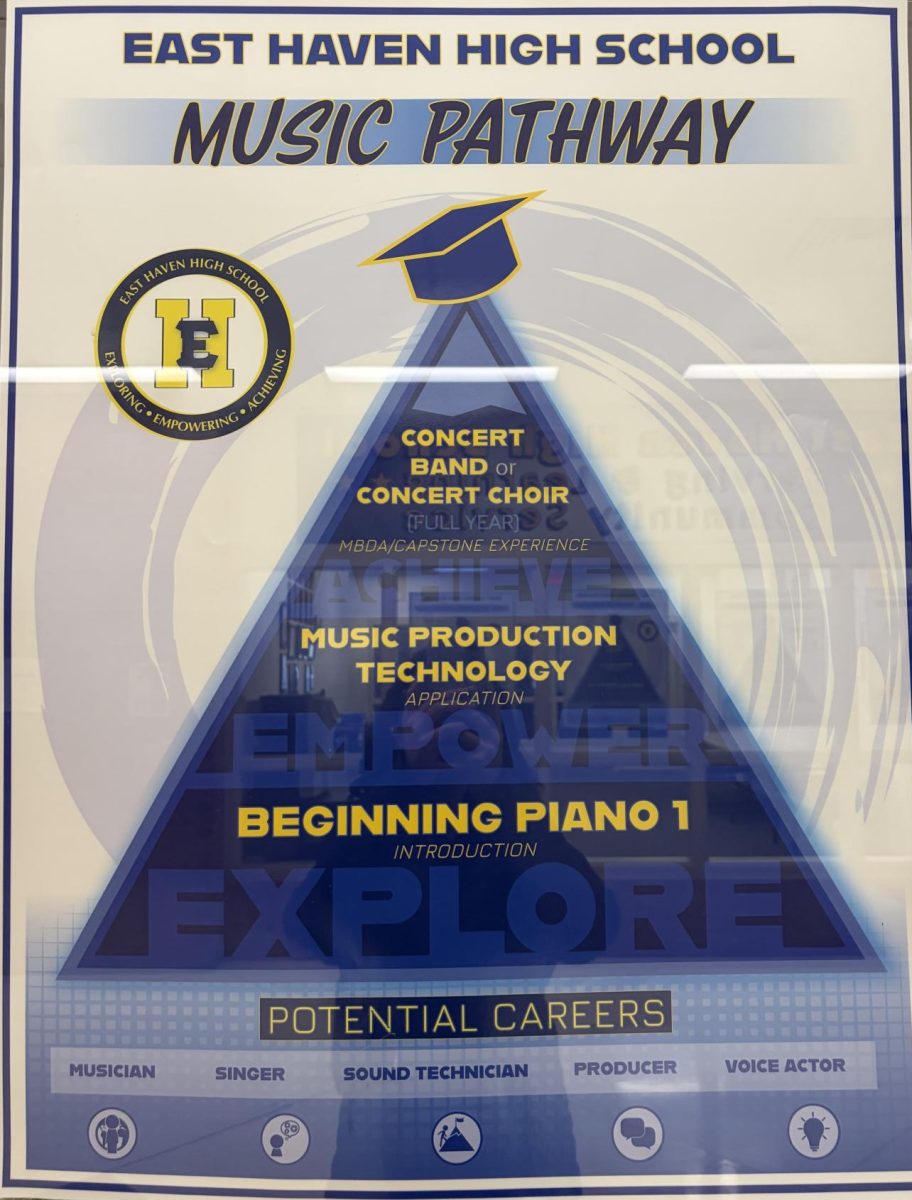
Certain Capstone pathways, or a sequence of courses that earn you an MBDA (Mastery Based Diploma Assessment) were altered to be more linear and consistent. Although not listed in the Program of Studies, the Band and Choir, Aviation and Flight Science (AFS), Drone Technology and Operation (DTO), and Work Study pathways are all still available pathways to receive Capstone credit. Additionally, a program called QUADs, which is the Quinnipiac University Advancing Diversity in Science (QUADS) program, was introduced as a way to earn the MBDA credit. Advised by Ms. Riccio and Mr. Oshana, the program is designed for 9th grade students and encourages students to develop science skills and knowledge through location-based educational science experiences. When reviewing what courses should be cut or rotated, administration makes sure to consider Capstone pathways and tries to make sure that classes are available so that students can receive their MBDA credit by graduation.
Course proposals and teacher input are given to Administrative staff, and when they’re approved, Mr. DeNuzzo and Mr. Russell go to the assistant superintendent for approval; the assistant superintendent is generally in charge of curriculum and instruction. In some cases, the superintendent themselves may have a particular request or vision for the curriculum, and has the final stamp of approval.
Deciding what classes run is primarily determined by the number of people who apply for the class during course selection in the spring. In most cases, classes with few people that apply for it do not run; exceptions to this include beneficial and challenging courses, like AP English Literature and Composition. First year electives, especially, that don’t have very many applicants, are likely to be cut. Other factors that influence whether courses run include budgeting (can those classes be funded and those teachers be paid for their work?), resources (are there enough classes in that general area, such as technology education, and is there enough physical space in the building for the class to run?), student interest, and what teachers are interested in teaching along with what they have to teach. Ultimately, courses must go along with state requirements and provide the necessary instruction to meet state guidelines.
When crafting the Program of Studies, administration makes sure that students can still receive the required credits they need, although it may come at the expense of the particular programming they want to take. When it comes to course selection, students typically don’t get courses they requested not because they don’t run, but because they conflict with the students schedule; for example, if a student wanted to take Digital Photography but needed to take English 9 and both classes were only available during Block 4, English 9 would be prioritized and the student would not get photography. Mr. Russell tries to make sure that AP and Honors courses do not run at the same time, as this allows students to take as many higher level courses as they can.
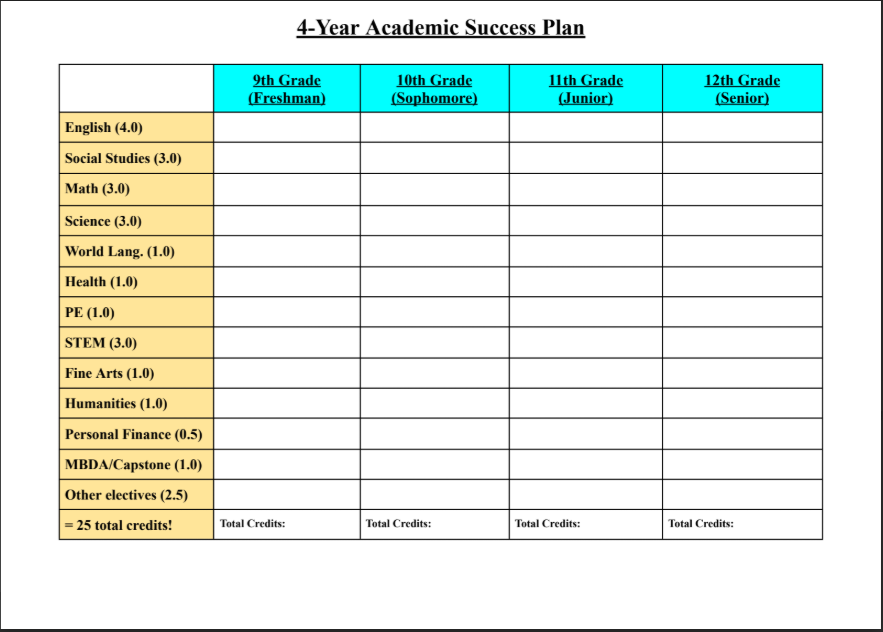
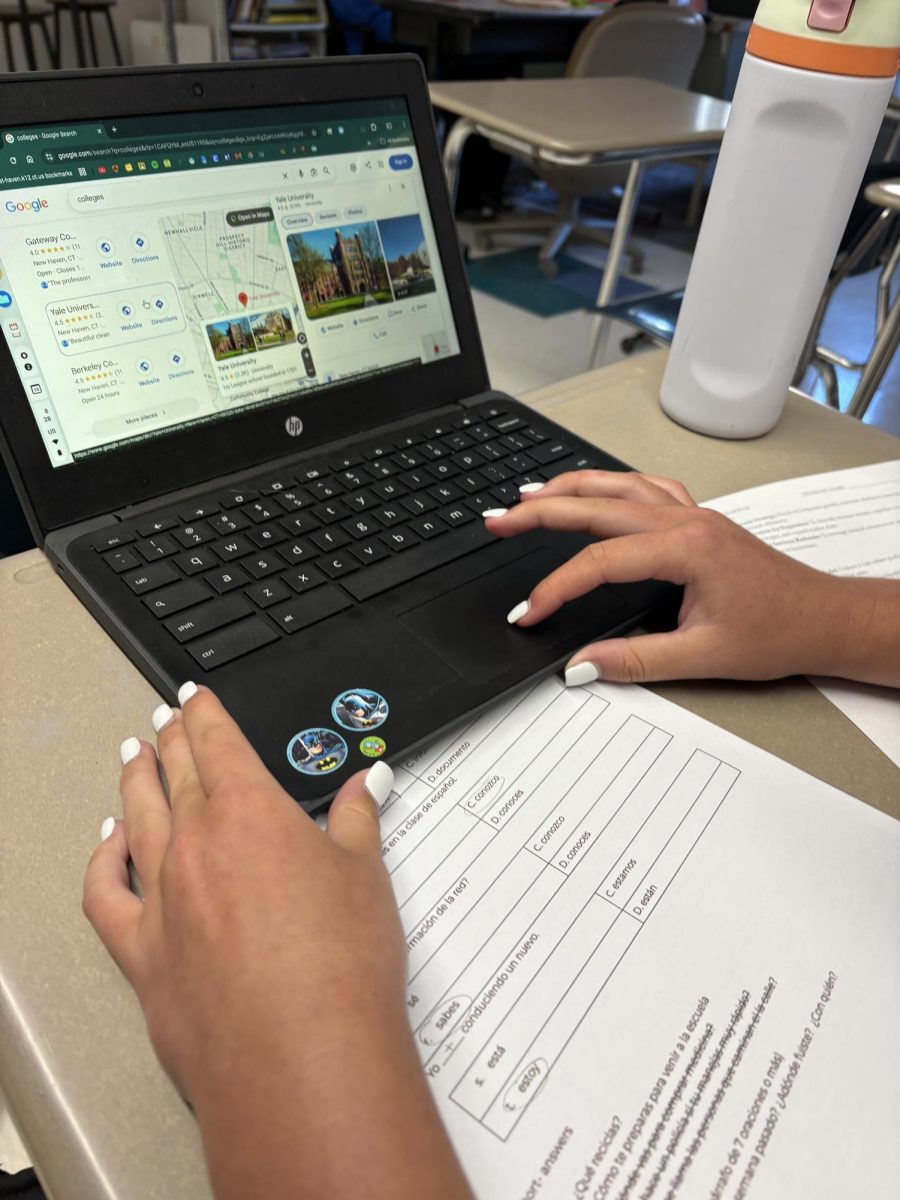
When selecting your courses, it’s essential to work with your guidance counselor. Guidance counselor Ms. Renee Seufert said, “It’s important to do a little bit of exploration into what [a class] is, which part of this [class] you think you might be interested in, is really the part that you’re going after, or they’re really the part that you want to know more about. And then try to take stuff that’s gonna give you that exposure or give you an opportunity to broaden your horizons or something like that.” Her advice is to put time and effort into reviewing what courses are actually about, ask questions, and use the four year plan sheet. The 2026-2027 Program of Studies has changed from last year—but that doesn’t mean you can’t take advantage of it.