











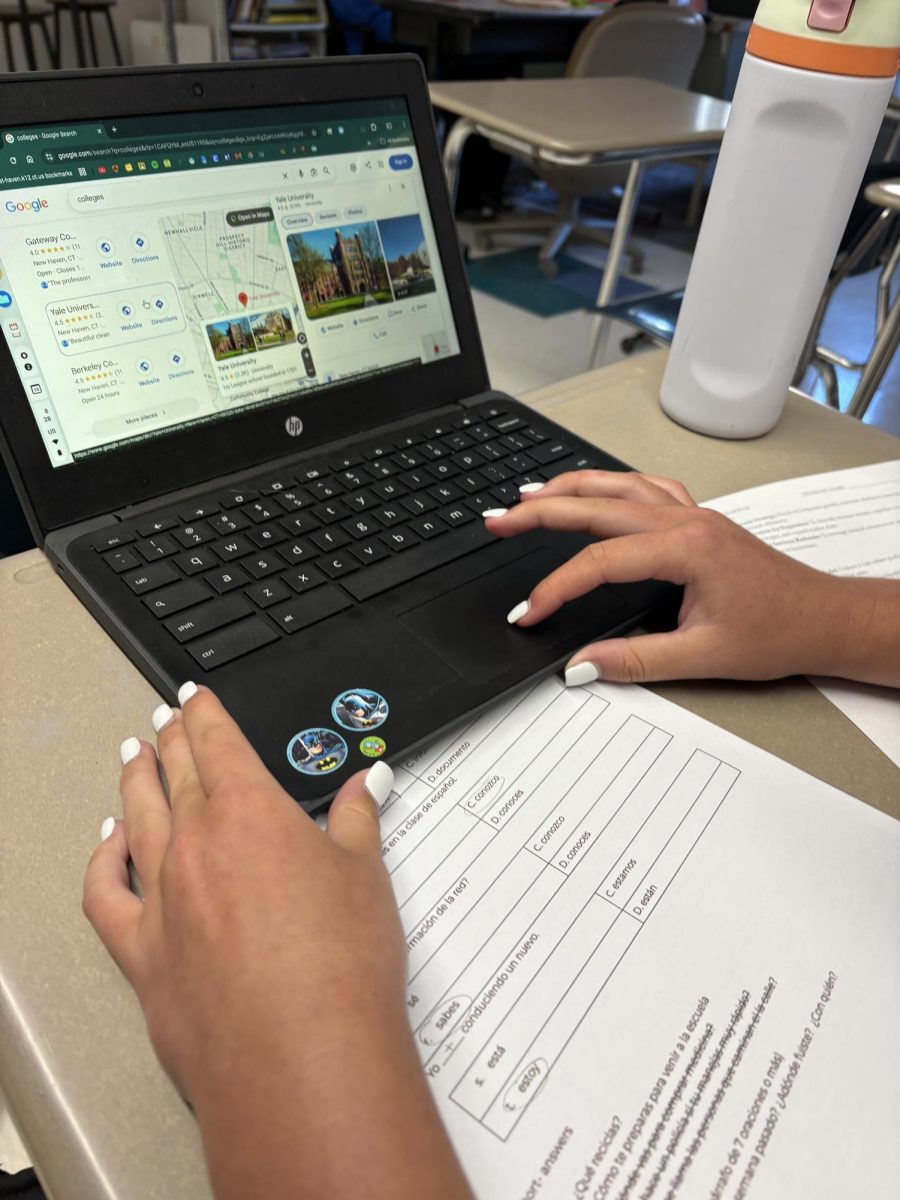








After the rise of integrating technology into school systems, the students adored it, but the adults realized it was the biggest mistake they had made. Kids took advantage and became obsessed with their phones. What teachers thought would be a fun new twist on learning went another way: kids’ grades dropped, school interactions stopped, and they didn’t care about school anymore because they always had their phones. Teachers grew tired of the status quo and sought change, advocating for the end of phone policies to combat disengagement.
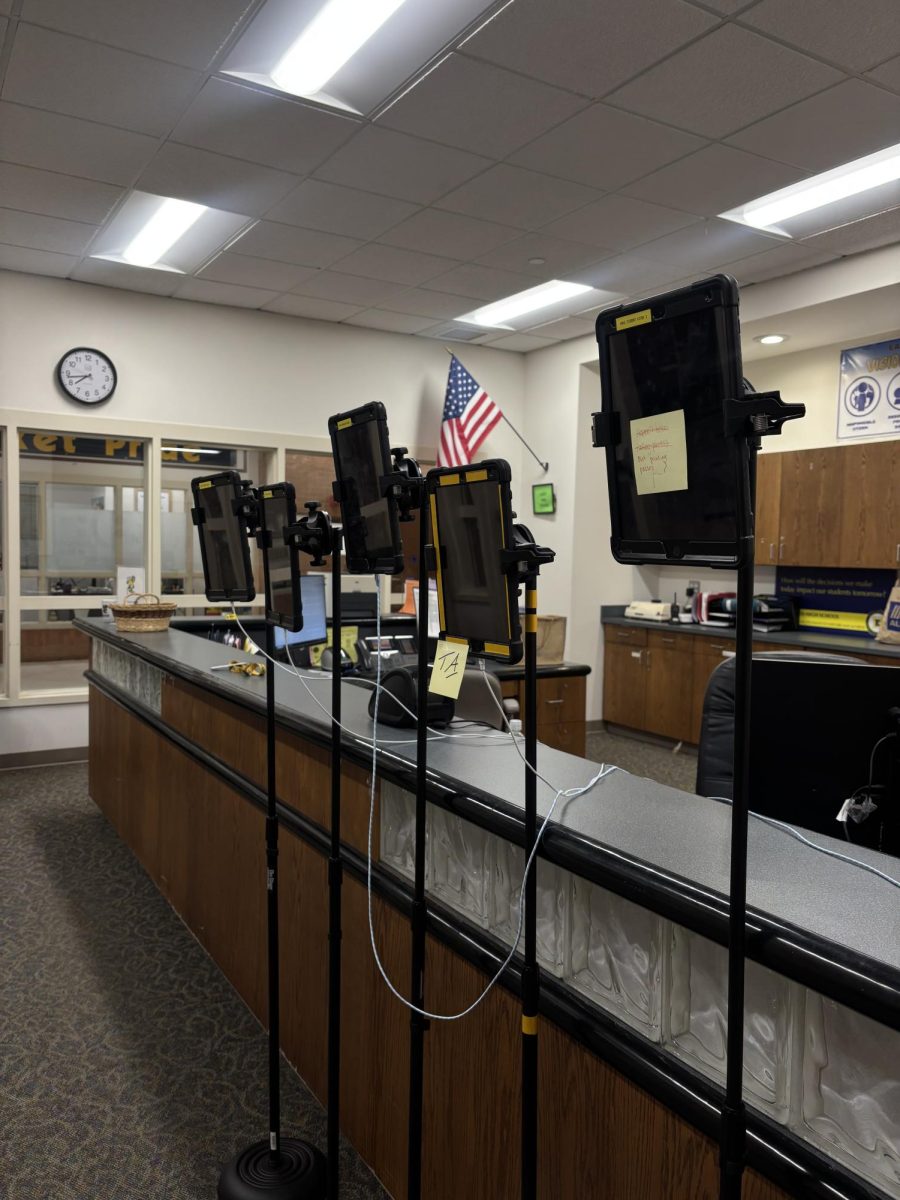
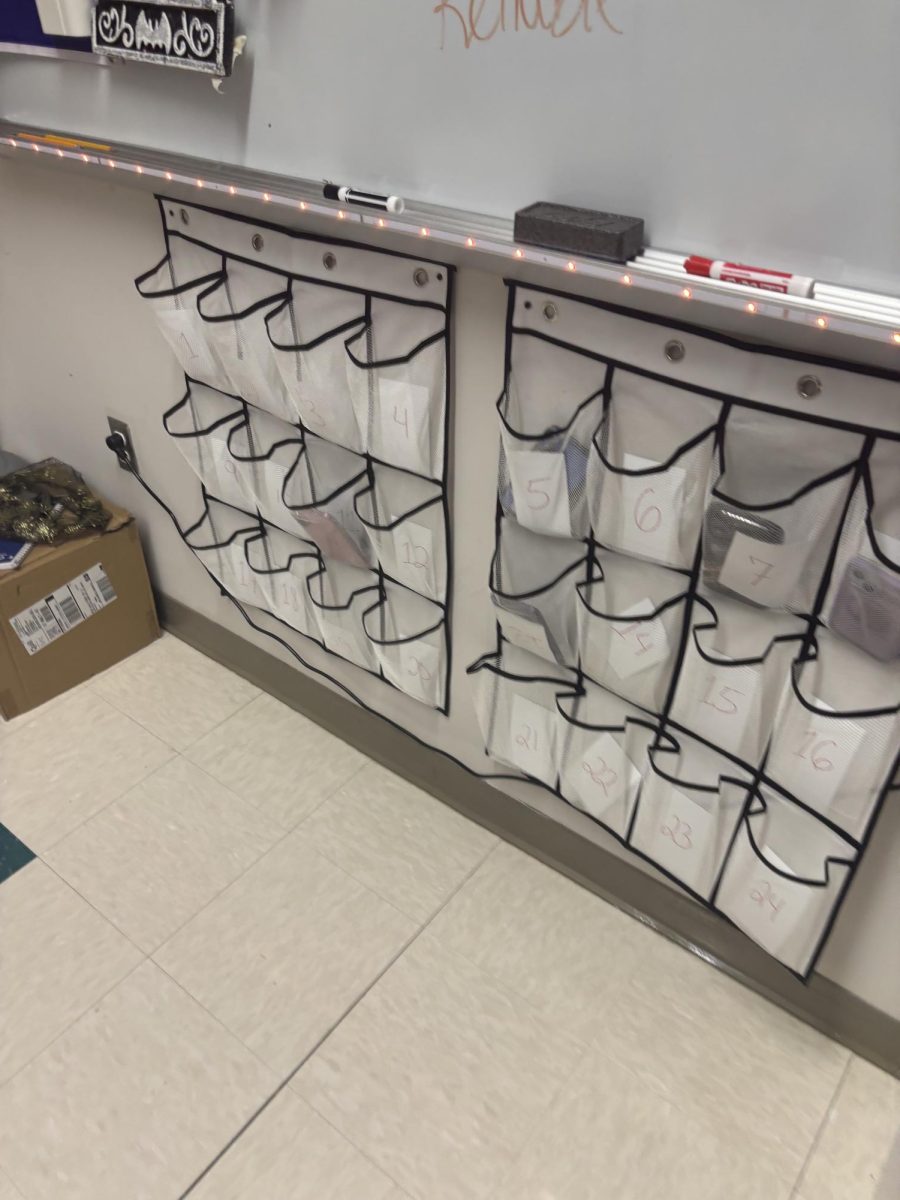
At the start of the year, school districts nationwide took a bold approach to stopping the use of phones so often in school. The phone policy in the school is that all students are expected to come into school and put away their electronic devices. More specifically, phones go into a pocket holder where they remain from the start of class until they get them back by the end of class and can use them during passing and lunch. Otherwise, students are expected to keep their phones away and in their pockets. This is so that students remain engaged throughout the school day and interact with students and teachers alike.
There are offenses for not following these rules. First, you get your phone taken and kept in the office, and you get it at the end of the day. The next offense, your parent has to come to the school and get it and have a talk with the administrators. And last, you get a few days off. This is how a majority of schools handle this upcoming problem, but not all. Some states, most notably Texas, have pouches that hold your phone and unlock at the end of the day. Overall, the new approach to this was made to eliminate the number of distracted students, even though they’re students who don’t who can maintain themselves and balance school and entertainment. This approach was to give everyone an equal chance to focus strictly focusing and engage in school.
Principal Vincent DeNuzzo believes that school is a place to learn and interact to build students to go into the real world, and he believes there is space to build extra privileges in the future with some student and staff input.
And with that, Mr. Denuzzo has a plan for what to do next. He plans on taking it slow and seeing how things go; “I think the struggle is at the start of the year, let’s start on the same starting line and establish what the expectations are. And then as the year goes on, we can start to run some data and reports and see who’s doing what they’re supposed to be, and who’s not. And then maybe we can manage it that way.”
In conclusion, the policy was modified to help students across the world form important skills that they can use in the real world by having good communication skills, a solid work ethic, and the ability to overcome the adversity that procrastination can come with.
